Learn to Swim Classes and Squads in Caringbah

swimmerz academy Caringbah
  • Home
  • Our Programs
    • SAFETY WEEK 2026
    • OUR LEARN TO SWIM PROGRAM
    • OUR SQUAD PROGRAM
    • ADULT LEARN TO SWIM
    • GROUP EXERCISE CLASSES
    • SOUTHERN SYDNEY SWIM TEAM
    • SWIMMERZ PORTAL
  • About Us
    • SWIMMERZ FAMILY
    • FACILITIES
    • FAQ'S
    • SWIMMERZ POLICIES
    • OUR PARTNERS
    • SWIM SHOP
    • SWIMMERZ BLOG
    • BIRTHDAY PARTIES
  • Contact Us
    • OPENING HOURS
    • EMPLOYMENT
    • ONLINE BOOKINGS
  • More
    • Home
    • Our Programs
      • SAFETY WEEK 2026
      • OUR LEARN TO SWIM PROGRAM
      • OUR SQUAD PROGRAM
      • ADULT LEARN TO SWIM
      • GROUP EXERCISE CLASSES
      • SOUTHERN SYDNEY SWIM TEAM
      • SWIMMERZ PORTAL
    • About Us
      • SWIMMERZ FAMILY
      • FACILITIES
      • FAQ'S
      • SWIMMERZ POLICIES
      • OUR PARTNERS
      • SWIM SHOP
      • SWIMMERZ BLOG
      • BIRTHDAY PARTIES
    • Contact Us
      • OPENING HOURS
      • EMPLOYMENT
      • ONLINE BOOKINGS
  • Sign In
  • Create Account

  • Bookings
  • My Account
  • Signed in as:

  • filler@godaddy.com


  • Bookings
  • My Account
  • Sign out

Family Portal

Signed in as:

filler@godaddy.com

  • Home
  • Our Programs
    • SAFETY WEEK 2026
    • OUR LEARN TO SWIM PROGRAM
    • OUR SQUAD PROGRAM
    • ADULT LEARN TO SWIM
    • GROUP EXERCISE CLASSES
    • SOUTHERN SYDNEY SWIM TEAM
    • SWIMMERZ PORTAL
  • About Us
    • SWIMMERZ FAMILY
    • FACILITIES
    • FAQ'S
    • SWIMMERZ POLICIES
    • OUR PARTNERS
    • SWIM SHOP
    • SWIMMERZ BLOG
    • BIRTHDAY PARTIES
  • Contact Us
    • OPENING HOURS
    • EMPLOYMENT
    • ONLINE BOOKINGS

Account

  • Bookings
  • My Account
  • Sign out

  • Sign In
  • Bookings
  • My Account
Family Portal


Safety Week

What is Safety Week?

At Swimmerz Academy, water safety is at the heart of everything we do - it's built into every lesson, all throughout the year. Our Learn to Swim Instructors and Coaches don't just teach kids to swim; they teach them to swim smart, stay aware, and make good decisions in and around water.


Safety Week is our annual opportunity to turn up the volume on that message. It's a dedicated week where we go deeper on the topics that matter most, spark conversations between kids and their families, and celebrate the safety skills our students are already building every time they get in the pool. And every June, we do it in winter pyjamas. 🛏️

Why Pyjamas?

Pyjamas are our theme every June for a very good reason. In winter, we're all wearing longer, heavier clothing - and if you or your child ever fell into water unexpectedly, that's exactly what you'd be wearing. During Safety Week, students experience firsthand how much harder it is to move, float, and swim when clothes are weighing them down. They'll complete their safety activities first in their wet pyjamas, then again without them - so they can feel the real difference and understand why these skills matter so much outside of the pool environment.

What happens during the week?

All Learn to Swim students from Littlefish through to Dolphins are encouraged to wear their pyjamas over their swimmers to class. Students will also swim without their goggles during the safety portion - because accidents don't wait until you're prepared. They'll still need their goggles for the remainder of the lesson.


LittleFish Starfish, Clownfish, Bluefish, Eel, Seal & Seahorse

15 - 20 minutes of lesson time. 

Pyjamas over swimmers, no goggles for this portion


Marlins & Dolphins

Majority of lesson time. 

Pyjamas over swimmers, no goggles for this portion


Private lesson families: if you have already noted your preference for Safety Week participation, we have that on your child's profile. If you'd prefer to opt out, please contact us so your child's instructor is aware.
What to bring

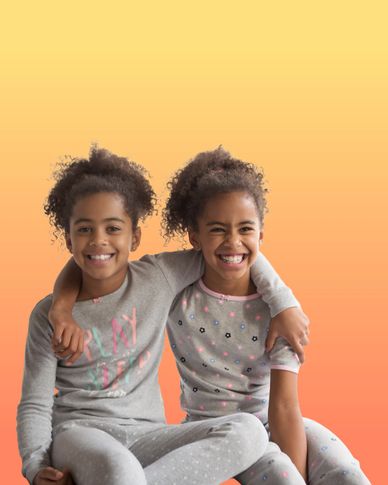
Pyjamas

A waterproof bag

Pyjamas

Worn over your swimmers. Any pyjamas welcome - the cosier the better!
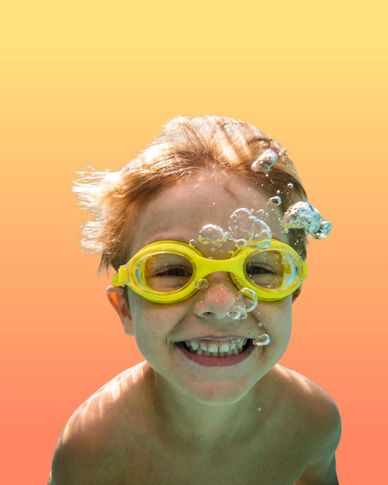
Goggles

A waterproof bag

Pyjamas

Still needed for the second part of the lesson - don't leave them at home.
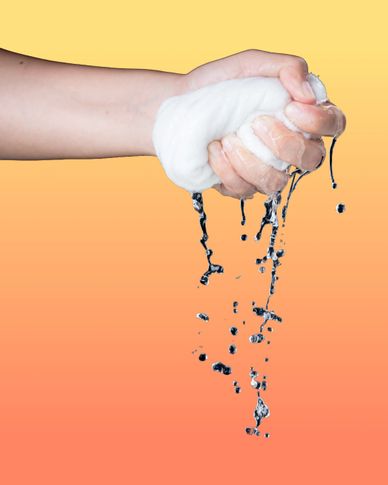
A waterproof bag

A waterproof bag

A waterproof bag

To take your wet pyjamas home at the end of the lesson.

What your child will learn

Every level has a tailored safety lesson designed around their age and ability. Scroll down to your child level to see what they will be getting up to this safety week! 
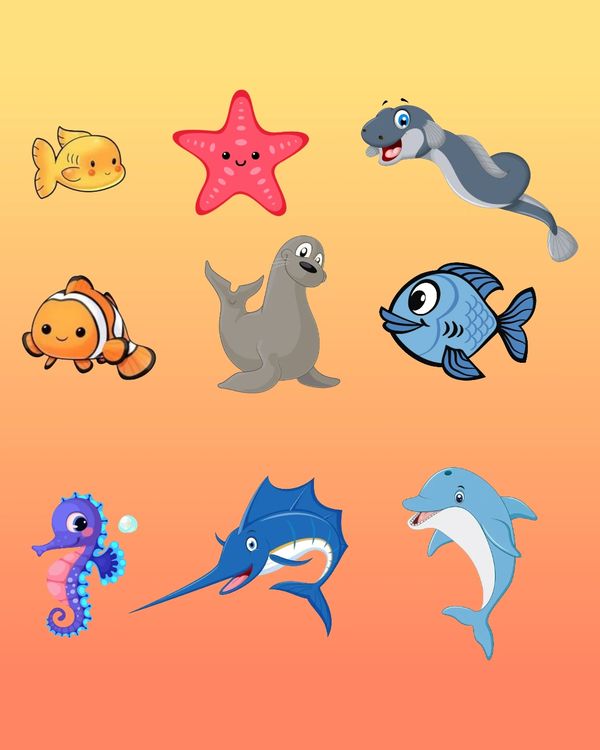
All Levels - Safety Chat

  • Own safety first - never put yourself in danger to help someone else
  • If a friend is in trouble: get help, or throw/reach to rescue if it's safe to do so
  • Lifeguards, beach safety, and what the flags mean
  • Always swim with an adult watching
  • Water dangers: rips, rocks, branches, shallow and deep water
  • Pool safety signs: no running, no diving, shallow water warnings

Littlefish, Starfish and Eel Classes

Our youngest swimmers will experience what it really feels like to move through the water in clothes. With lots of encouragement, they'll build the confidence to know they can help themselves if something unexpected happens.


  • Experience swimming in clothes and feel how different it is to their usual swimmers
  • Practise safe ways to get in and out of the pool
  • Learn how to reach the pool wall if they fall in unexpectedly
  • Practise rolling onto their back into a float and calling out for help
  • Hold on to a buoyant aid to stay afloat
  • (Starfish) Short swims of 2–3m in clothes, pushing off the bottom to reach the surface
  • (Starfish) Float for 10–20 seconds, then flip and swim back to the wall

Clownfish and Eel Classes

Clownfish and Eel swimmers build on their foundational safety skills with longer swims in clothes, learning to keep moving and breathe even when things feel harder than usual.


  • Swim 3–5m in clothes, both with and without a buoyant aid
  • Swim 8m taking breaths as needed, and roll onto their back to rest when tired
  • Practise safe entry and exit, and reaching to catch the wall
  • Roll into a float and call out for help, floating for 20–30 seconds before flipping back to the wall
  • Catch a buoyant aid in the water and swim back to safety with it

Bluefish and Seal Classes

At this level, swimmers are introduced to treading water and floating independently for longer - key skills for staying calm and safe if they ever find themselves in trouble.


  • Swim 8–32m in clothes, with and without a buoyant aid
  • Learn basic sculling and tread water for 30 seconds to stay afloat
  • Float on their back independently for 1 minute
  • Swim 5m, roll into a float for 30 seconds calling for help, then swim back to the wall
  • Catch a buoyant aid in the water and swim back to safety with it

Seahorse Classes

Seahorse swimmers tackle longer distances in clothes and begin learning survival skills like reach rescue and survival backstroke - building real confidence for unexpected situations.


  • Swim 16–64m in clothes, with and without a buoyant aid
  • Tread water and scull for 1–2 minutes to stay afloat
  • Float on their back independently for 1 minute
  • Swim 12m, roll into a float for 30 seconds calling for help, then swim back to the wall
  • Practise reach rescue — and learn how to be rescued safely with a noodle
  • Begin learning survival backstroke as a lifesaving stroke

Marlin Classes

Marlin swimmers take on serious survival scenarios - learning what to do when they're exhausted, fully clothed, and far from the edge. These are the skills that could one day save a life.


  • Swim 32–64m in clothes, rolling onto their back to rest when tired
  • Learn survival strokes: survival backstroke, sidestroke, and survival breaststroke
  • Float for 1 minute calling for help, scull and tread water for 1–2 minutes, then swim back
  • Practise falling in, treading water, then safely removing heavy clothing before floating
  • Surface dive to retrieve an object from deep water
  • Practise different water entries: slide in, shallow dive, step in, and stride entry

Dolphin Classes

Our most advanced swimmers take on the full survival challenge - longer distances, more demanding scenarios, and a complete toolkit of lifesaving skills.


  • Swim 50–100m in clothes, rolling onto their back to rest as needed
  • Learn and demonstrate survival strokes: survival backstroke, sidestroke, and survival breaststroke
  • Float for 2 minutes calling for help, scull and tread water for 2 minutes, then swim back
  • Practise falling in, treading water, removing heavy clothing, floating 1 minute, then swimming 2 minutes continuously
  • Surface dive to retrieve an object from deep water
  • Practise and demonstrate all major water entries

How you can help at home

The best water safety lessons happen when swimming lessons and home are saying the same thing. Here are some simple ways to keep the conversation going this week:


  • Ask your child what they learned - get them to teach you the float-to-survive technique!
  • Walk around your pool or water features at home and talk about the safety rules together.
  • Check that pool fencing and gates are working properly - latch, lock, and height.
  • Practise floating in the bath or backyard pool - make it a game!
  • Remind children that the parent/ adult rule applies everywhere - backyard, beach, or bath.
  • Keep supervision active in winter too - cold weather doesn't mean lower risk.

Questions about Safety Week? We'd love to hear from you.

Call us on (02) 9059 4075 or email us via the link 

Email us!

Copyright © 2026 Swimmerz Academy - All Rights Reserved.

  • SWIMMERZ BLOG

This website uses cookies.

We use cookies to analyze website traffic and optimize your website experience. By accepting our use of cookies, your data will be aggregated with all other user data.

Accept
